







Search Results for: Kenyan Coffee Beans
A Detailed Guide to Kenyan Coffee Bean Grading: AA Screen Size Standards and Front Street Specialty Recommendations
Kenyan coffee is renowned for its bright acidity and complex flavors, and its grading system is equally worth understanding in depth. Kenyan coffee beans are roughly divided into eight grades—E, PB, AA, AB, C, TT, T, and MH/ML—based on bean size, weight, and shape and appearance, with Grade AA being the most common and outstanding in quality. This article will analyze in detail the specific classification criteria for each grade, including the 17/18 screen size of Grade AA, as well as cup quality classifications set by exporters such as TOP, PLUS, and FAQ. It will also introduce the Kenyan AA TOP-grade beans launched by Front Street Coffee, originating from the Thika region and processed using the K72 double washing fermentation method, presenting delicate acidity reminiscent of berries and red wine along with a creamy sweet aftertaste, making them a top choice for lovers of acidic coffee. [more…]
Kenyan Specialty Coffee Beans | Why Does Kenyan Coffee Have Such High Recognizability? Where Does the Acidity in Kenyan Coffee Come From?
Honestly, Front Street Coffee is very fond of Kenyan coffee. If you're a friend who frequently visits Front Street Coffee's stores to drink coffee, it's not hard to notice that among the many samples Front Street Coffee shares, Kenya has a very high appearance rate. As for why we like it so much, Front Street Coffee believes this point is shared by many enthusiasts alike. Because Ken [more…]
A Comprehensive Guide to Kenyan Coffee Bean Grading Standards: AA and PB Grades, Flavor Differences, and Front Street Recommendations
Kenya AA coffee is often hailed as one of the world's top specialty coffees, but what exactly do the letters AA and PB stand for? This article systematically breaks down the grading system for Kenyan green coffee beans, including the meaning and specifications of each grade—E, PB, AA, AB, C, TT, T, and MH/ML—and takes a deep dive into the flavor differences between AA and PB peaberry beans. Drawing on years of roasting experience, Front Street Coffee uses an Ichamama Peaberry as an example to share its roasting approach and cupping performance, while also offering brewing parameter recommendations for Kenya AA, helping coffee lovers gain a comprehensive understanding of what to look for when buying and tasting Kenyan coffee. [more…]
How Are Kenyan Coffee Bean Grades Classified? Is AA Really the Best? A Comprehensive Analysis of Regional Flavors and Brewing Parameters
Kenyan coffee has always held a special place in the global specialty coffee scene, winning over countless coffee lovers with its bright fruit acidity, rich body, and distinctive winey aroma. But when it comes to the grading of Kenyan beans, many people hold misconceptions—is AA really the highest grade? This article will provide a comprehensive interpretation of the core knowledge of Kenyan coffee, from the origin's history, the grading system, and flavor characteristics to Front Street Coffee's roasting and brewing recommendations, taking you to rediscover the coffee charm of this East African producing country. [more…]

Medium-Light Roast Coffee Bean Recommendations | Why Is Kenyan Coffee So Popular? What Factors Create the Acidity of Kenyan Coffee? How Do You Brew a Delicious Kenyan Pour-Over?
Honestly, Front Street Coffee is very fond of Kenyan coffee. If you are a friend who frequently visits Front Street Coffee's stores to drink coffee, it will not be hard to notice that among the many samples Front Street Coffee shares, Kenya has a very high rate of appearance. As for why we like it so much, Front Street Coffee believes that on this point, we are in complete agreement with many enthusiasts. Because Ken [more…]
Analyzing the Causes of Kenyan Coffee Acidity: A Complete Guide to K72 Washed Processing and Pour-Over Parameters
Kenyan coffee's acidity has long been praised, and even Japanese consumers, who prefer a rich and mellow taste, are very fond of dark-roasted Kenyan coffee. Where does this distinct and substantial acidity come from? Front Street Coffee takes you back through the development of Kenyan coffee, from variety selection during the British colonial period and the natural advantages of red soil to its unique grading system and the K72 washing process, uncovering the secrets of Kenyan coffee's acidity layer by layer. At the same time, Front Street also shares the pour-over parameters and brewing details for Kenyan coffee beans, helping you preserve a tomato-like acidity while maintaining a rich and mellow feel, so you can brew a fascinating cup of Kenyan coffee. [more…]
In-Depth Analysis of Kenyan Coffee: The Flavor Code of K72 Double Washing Process and SL28, SL34 Varieties
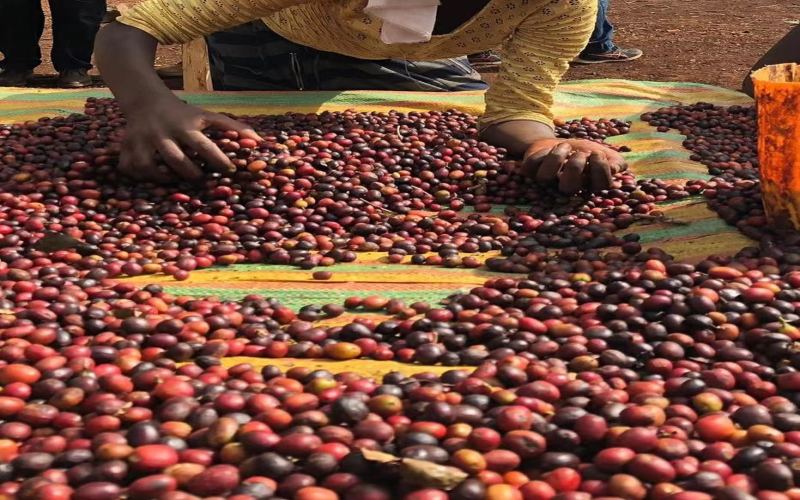
Kenyan coffee is renowned worldwide for its bright acidity and rich layers. What secrets lie behind its unique flavor? This article starts with two beans from Front Street Coffee—Kenya AA Cherry Tomato and AB Komatina Cranberry—and systematically sorts out the geographical conditions, cultivation models, and grading system of Kenyan producing regions, with a focus on analyzing the lineage of the two classic varieties SL28 and SL34, as well as the complete process of the K72 Kenyan-style 72-hour double washed fermentation method. It also includes Front Street Coffee's roasting curve and V60 brewing parameters, helping coffee lovers fully understand every key step of Kenyan coffee from green bean to cup. [more…]
How Is Kenyan Coffee PB Peaberry Different from AA Grade? A Comprehensive Analysis from Grading System to Flavor and Mouthfeel
Kenyan coffee is renowned worldwide for its outstanding quality, but what exactly do the letters AA and PB represent? From the perspective of Front Street Coffee, this article systematically sorts out Kenya's coffee grading system, including the meaning and distinguishing criteria of each grade: E, PB, AA, AB, C, TT, T, and MH/ML. At the same time, Front Street takes a batch of Peaberry from the Ichamama Factory in the Nyeri region as an example, documenting in detail the complete process from green bean information and cooperative background to roast curve design and cupping flavors, and conducts a brewing comparison with Kenyan AA coffee beans, helping readers gain a deeper understanding of the actual differences in taste and flavor between PB Peaberry and AA coffee beans. [more…]

The Fruit-Acid Code of Kenyan Coffee: A Breakdown of Varieties, Origins, K72 Washing, and Roasting Key Points
Kenyan coffee is renowned for its intense acidity and fruity notes reminiscent of smoked plum and cherry tomatoes, making it a favorite among specialty coffee enthusiasts. Starting from the flavor profile of Front Street Kenya coffee, this article systematically reviews the cultivation history of Kenyan coffee, its main producing regions, the characteristics of the SL28 and SL34 varieties, and how the famous K72 washing process shapes its bright acidity. It also introduces roasting and brewing recommendations for Front Street Little Tomato coffee beans, giving you a comprehensive understanding of why Kenyan coffee is so rich in fruity acidity. [more…]

Kenyan Coffee K72 Washed Processing Method Explained: From AA Grading to Front Street Coffee Medium-Light Roast Brewing Guide
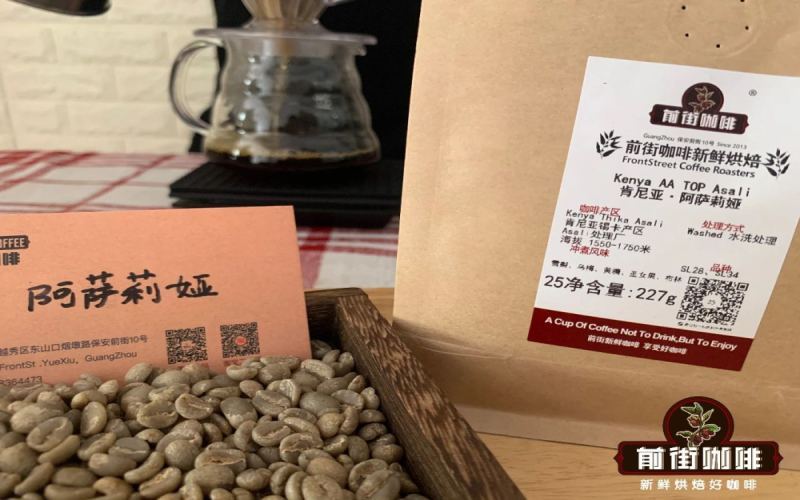
Kenyan coffee occupies a unique position in the global specialty coffee scene, thanks to its distinct berry flavors, robust fruit acidity, and sweet, juicy mouthfeel. The formation of this flavor profile is related not only to the local soil's high phosphoric acid content but also, crucially, to the famous K72 washing process—a three-stage fermentation lasting up to 72 hours. This article will provide a detailed analysis of the K72 fermentation process and Kenya's steel bed drying method, outline the Kenyan coffee bean grading system and exporter cup grading, and share Front Street Coffee's roasting approach and pour-over parameters for AA-grade Kenyan Asaliya, helping readers fully understand the flavor logic of Kenyan coffee from processing to cup. [more…]
An Analysis of Kenyan AA Coffee Bean Variety Characteristics and a Full Description of Its Pour-Over Flavor and Mouthfeel
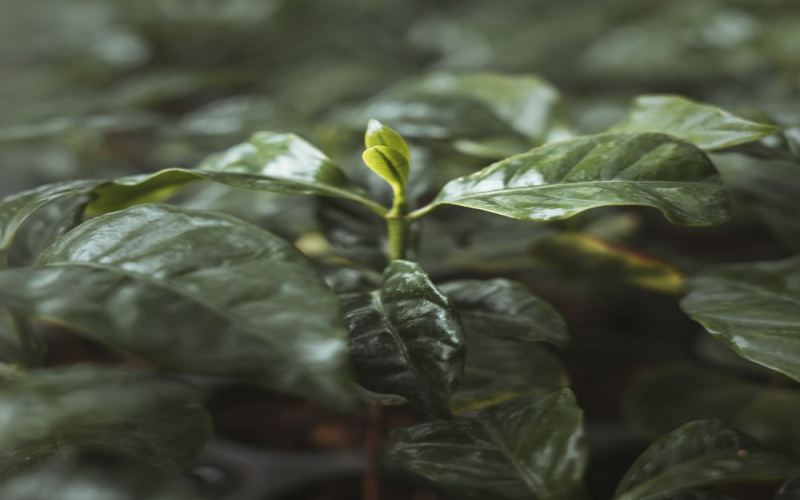
Kenyan coffee is renowned worldwide for its intense, full-bodied fruity acidity, forming a sharp contrast with the soft, bright character of neighboring Ethiopia. This article systematically reviews the development history, growing conditions, major producing regions, variety characteristics, and grading system of Kenyan coffee, and documents in detail Front Street Coffee's roasting, cupping, and pour-over parameters for two beans—Kenya Asaliya AA TOP and Sasini Estate PB—helping coffee enthusiasts gain a comprehensive understanding of Kenyan coffee from seed to cup. [more…]

Why Is Kenyan Coffee Flavor So Distinctive? A Full Breakdown of V60 Brewing Parameters, Varieties, and Processing Methods for Kenyan AA
Kenyan coffee is renowned for its bright, intense acidity, often described as having flavors of cherry tomatoes and prunes, which stands in sharp contrast to the citrus notes of Ethiopian coffee. From the perspective of Front Street Coffee, this article systematically reviews Kenya's coffee-growing regions and their cultivation conditions, the main varieties (SL28, SL34, Ruiru11, Batian), the distinctive K72 washed processing method, and the practical meaning of AA, AB, PB, and other grades in Kenya's green bean grading system. The article also shares the roasting parameters for two Kenyan beans at Front Street Coffee and provides specific water temperature, coffee-to-water ratio, grind size, and staged extraction techniques for brewing Kenyan AA in a V60 dripper, helping coffee enthusiasts gain a more comprehensive understanding of the flavor sources and brewing key points of Kenyan coffee. [more…]

A Comprehensive Guide to Kenyan Coffee Beans: An In-Depth Analysis of the AA Grading System and the K72 Washing Process
Kenyan coffee is renowned worldwide for its intense, full-bodied fruity acidity and rich fruit flavors, and its unique grading system and processing methods have always been a focal point for coffee enthusiasts. This article will systematically review the development history, cultivation models, variety composition, and regional characteristics of Kenyan coffee, provide a detailed interpretation of the complete grading system from E to T, and deeply analyze the flavor differences between AA and AB grades. At the same time, Front Street Coffee will share roasting suggestions and pour-over parameters for two beans, the Kenyan Asaliya and the Sasini Estate PB, taking you through every step of Kenyan coffee from seed to cup. [more…]
Where Do the Fruity Notes in Kenyan Light-Roast Coffee Come From: An Analysis of SL Varieties, 72-Hour Washed Processing, and AA Grade
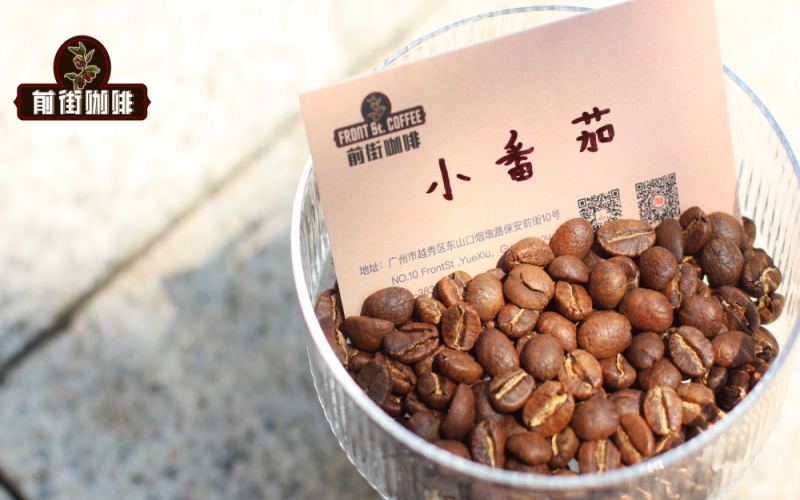
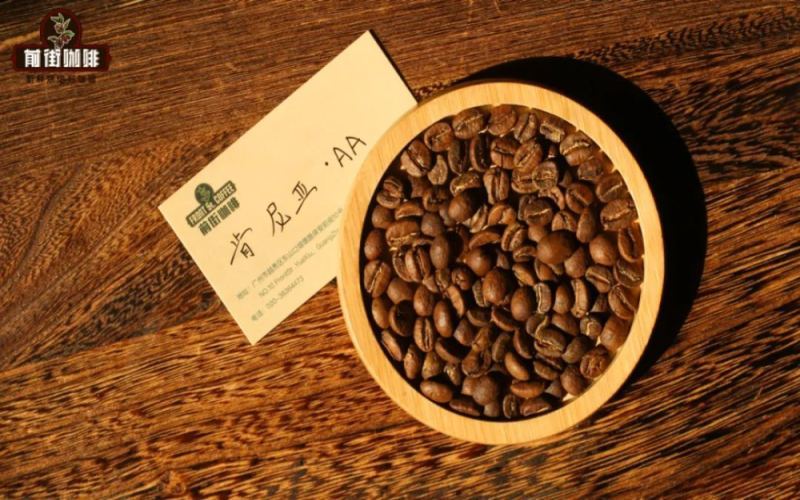
Kenyan coffee has always been known for its distinct fruity flavors, and Front Street Coffee's Kenyan coffee beans showcase an interwoven sweet-and-tart profile reminiscent of blackberry, grapefruit, and lemon, with a rich and full aroma. However, what truly sets Kenyan coffee apart is its bright and powerful acidity. Although it shares the African continent with Ethiopia, the birthplace of coffee, and the two are neighbors, the flavor profile of Kenyan beans differs significantly from that of Ethiopian coffee. This article will explore Kenya's high-altitude growing conditions, the two classic varieties SL28 and SL34, its unique grading system, and the 72-hour "Kenyan double fermentation" washed process, and will also introduce how Front Street Coffee's Kenyan Cherry Tomato coffee beans, through a medium-light roast, present layers of cherry tomato, smoked plum, black plum, caramel, and snow pear. [more…]
What makes Kenyan PB round beans unique? An analysis of Kenyan coffee grading and the K72 processing method
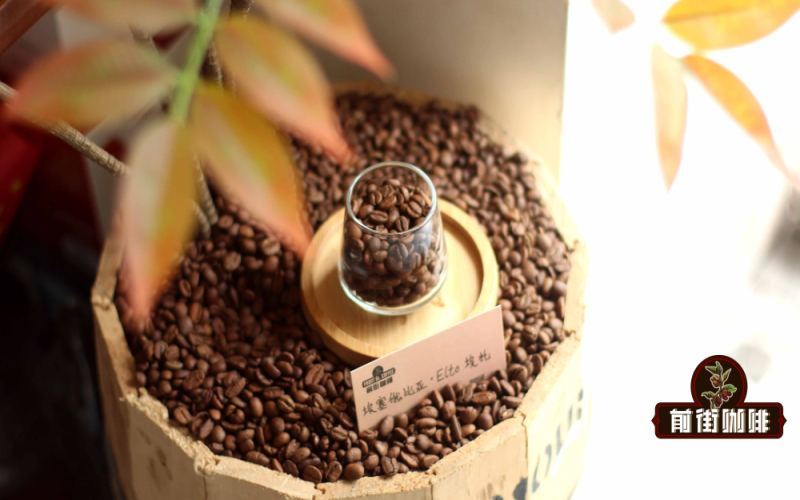
Kenyan coffee stands out in Africa with its distinctive cherry tomato acidity and bright cup profile, thanks in large part to the two major varieties SL28 and SL34. This article focuses on Kenyan PB round beans, outlining the high-altitude growing conditions of Kenyan coffee, the unique K72 washed fermentation process, and the eight-tier grading system based on bean size. It also compares the flavor differences among common grades such as PB, AA, and AB, and, drawing on three beans listed by Front Street Coffee—Sasini Estate PB round beans, Asali AA, and Gachatha Cooperative AB—shares practical brewing parameters and cupping performance to help coffee lovers gain a more comprehensive understanding of what makes Kenyan coffee so captivating. [more…]
Kenyan Coffee Flavor and Brewing Guide: AA Grading Standards and Analysis of Six Major Producing Regions
Kenyan coffee is famous for its bright acidity and intense berry flavors, and is a beloved favorite among many seasoned coffee enthusiasts. But do you know about its cultivation history, producing regions, and green bean grading? This article starts with the origins of Kenyan coffee, outlines the distinctive characteristics of its six major producing regions, explains the logic behind grading standards such as AA and PB, and shares brewing parameters and techniques recommended by FrontStreet Coffee, helping you gain a more comprehensive understanding of this East African coffee-producing country and find Kenyan beans that suit your taste. [more…]
A Comprehensive Analysis of Kenyan Coffee Bean Grading and Cultivation Processing Systems: From AA Classification to Auction Trading
Kenyan coffee is renowned worldwide for its intense, full-bodied fruity acidity, and its unique flavor profile is inseparable from its strict grading system and refined cultivation and processing systems. This article will systematically sort out the development of Kenyan coffee, from its introduction during the colonial period to the Scott Laboratories' selection and breeding of SL28 and SL34, and then to the grading standards such as AA, AB, and PB established in 1938, interpreting one by one the meanings and characteristics of the E, AA, AB, C, PB, TT, and T grades. At the same time, it will provide an in-depth introduction to the flavor differences of major Kenyan coffee regions such as Nyeri, Kirinyaga, and Thika, analyze the coexistence of large estates and smallholder cooperatives, as well as the two trading mechanisms of the Nairobi Coffee Exchange auction and direct trade. Front Street Coffee will also share roasting and pour-over recommendations for Kenyan Asalia coffee beans, taking you through a comprehensive understanding of the coffee world of this East African producing country. [more…]
A Complete Guide to Kenyan Coffee Beans: Regions, Varieties, K72 Washed Processing, Flavor Profile, and Brewing Parameters
Kenyan coffee has always been famous for its full-bodied juiciness and bright acidity, but many people mistakenly believe that only a small-tomato note represents Kenyan flavor. This article provides a comprehensive overview of the core knowledge of Kenyan coffee, from the growing environment, auction trading system, and green bean grading, to the characteristics of the SL28 and SL34 varieties, the K72 washed processing method, and the six major producing regions including Nyeri and Kirinyaga. At the same time, Front Street Coffee uses two Kenyan AB beans to compare roasting, cupping, and brewing, guiding you through the flavor differences brought by different altitudes and producing regions, as well as grinding and brewing recommendations for Kenyan coffee. [more…]
An In-Depth Analysis of Kenyan Specialty Coffee Beans: Regions, Varieties, Grading, and Front Street Recommendations
Kenyan coffee, with its intense and full-bodied fruit acidity, uniform bean size, and exceptional fruity flavors, has always held a unique position in the specialty coffee world. Unlike Ethiopia's gentle and translucent character, Kenya's acidity is more impactful and layered. This article will systematically examine the full picture of Kenyan coffee, from its development history, growing conditions, major producing regions, variety selection and breeding, grading system, to its auction trading model. At the same time, drawing on Front Street Coffee's cupping and brewing practices, it will take an in-depth look at the flavor differences between two beans—Asalia AA TOP and Sasini Estate PB—to provide coffee enthusiasts with a complete guide to Kenyan coffee. [more…]
How is the body of Kenyan Asaliya washed beans? Analyzing Kenyan coffee flavor and brewing key points
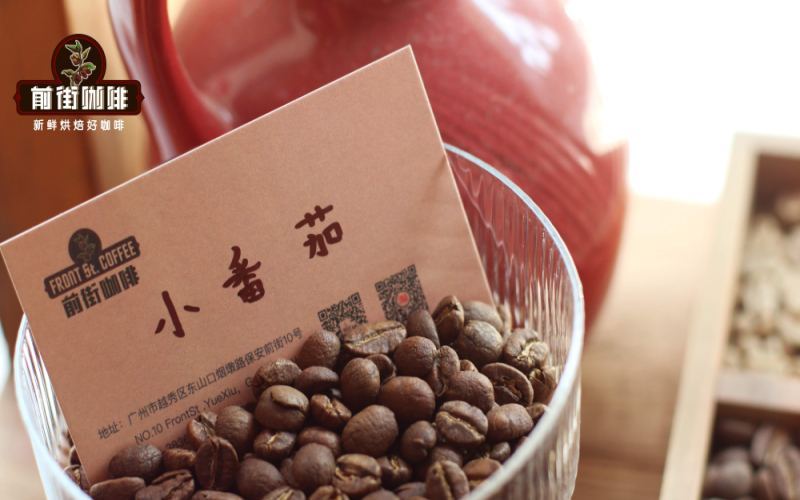
Kenya is a production region beloved by many sour coffee enthusiasts. Front Street Coffee's Kenya Small Tomato coffee beans are known for their complex, full-bodied juicy feel and dark fruit flavors, suitable for various extraction methods such as pour-over, cold brew, and moka pot. This coffee from the Thika region uses the Kenyan-style 72-hour washed process, with varieties SL28 and SL34, featuring bright fruit acidity, a mellow mouthfeel, and both caramel sweetness and a wine-like body. This article will guide you through the flavor characteristics of Kenyan coffee, the double washed processing method, and the grading system, and share Front Street Coffee's recommended brewing parameters and pouring techniques to help you fully showcase the aroma of Small Tomato and its smoked plum acidity. [more…]